The Ngorongoro Crater is one of the most extraordinary natural wonders in Africa and a top safari destination in Tanzania. Often described as the “Eighth Wonder of the World,” this massive volcanic caldera shelters an incredible concentration of wildlife within its lush, self-contained ecosystem. It is a UNESCO World Heritage Site, celebrated for its dramatic landscapes, rich biodiversity, and cultural significance.
Location and Size
Ngorongoro Crater is located in northern Tanzania, about 180 kilometers west of Arusha, within the Ngorongoro Conservation Area (NCA) — a unique area that combines wildlife conservation with the coexistence of local Maasai communities.
-
Crater size: 610 meters (2,000 feet) deep and approximately 260 square kilometers in area
-
Ngorongoro Conservation Area size: Over 8,000 square kilometers
The crater is part of the Greater Serengeti ecosystem and lies on the route to Serengeti National Park.
Geological Formation
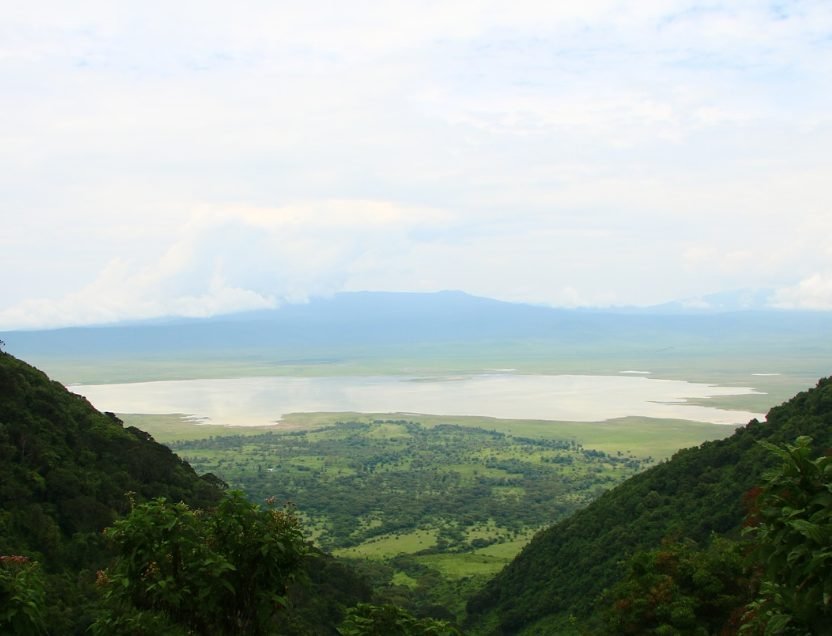
The Ngorongoro Crater was formed over 2 to 3 million years ago when a massive volcano erupted and collapsed inward, creating a vast caldera. Today, the crater floor is a natural enclosure, providing a perfect habitat for wildlife and supporting some of the most fertile and scenic terrain in East Africa.
Ecosystem and Landscape
The crater’s landscape is diverse and supports various habitats, including:
-
Lush grasslands and savannas
-
Woodlands and acacia forests
-
Lakes and swamps (notably Lake Magadi, a salt lake that attracts flamingos)
-
Lerai Forest, home to elephants and monkeys
The crater walls act as natural barriers, trapping wildlife and creating a near-perfect microcosm of the African safari experience.
Wildlife in the Ngorongoro Crater
Ngorongoro Crater is home to over 25,000 large animals, making it one of the densest concentrations of wildlife in Africa.
Key species include:
-
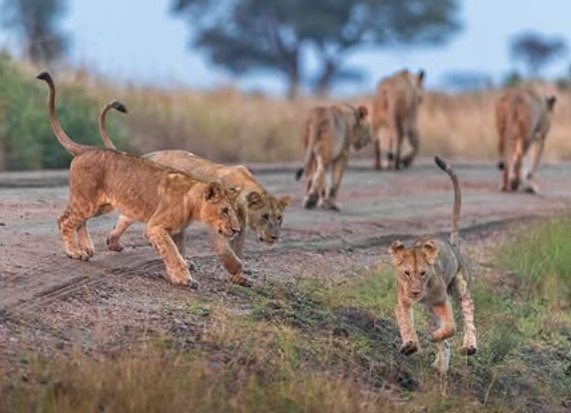
Lions – some of Africa’s highest predator densities
-
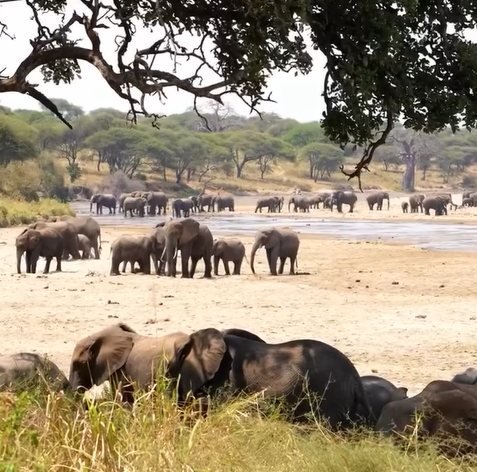
Elephants – often seen in the Lerai Forest
-
Black rhinos – one of the best places in Tanzania to spot them
-
Buffaloes, zebras, wildebeest, hippos, and warthogs
-
Cheetahs, leopards, and hyenas
Although giraffes and impalas are rarely seen in the crater (due to the steep walls and lack of suitable food), they are common in surrounding areas.
Birdlife:
-
Over 500 species, including:
-
Lesser flamingos at Lake Magadi
-
Secretary birds
-
Kori bustards
-
Ostriches
-
Numerous raptors and water birds
-
Cultural Significance
The Ngorongoro Conservation Area is also home to semi-nomadic Maasai people, who continue to live and herd livestock within the area. This coexistence between humans and wildlife is a key part of NCA's designation as a Man and Biosphere Reserve by UNESCO.
Nearby attractions include:
-
Olduvai Gorge – one of the most important paleoanthropological sites in the world
-
Shifting Sands – a rare moving dune made of volcanic ash
Best Time to Visit
Ngorongoro Crater is a year-round destination, but the best wildlife viewing is during:
-
Dry Season (June to October) – Clear skies and high animal visibility
-
Wet Season (November to May) – Lush landscapes, fewer tourists, and excellent birdwatching
The crater can get busy, especially during peak safari season. Early morning game drives are ideal to avoid crowds and see predators in action.
Safari Activities
-
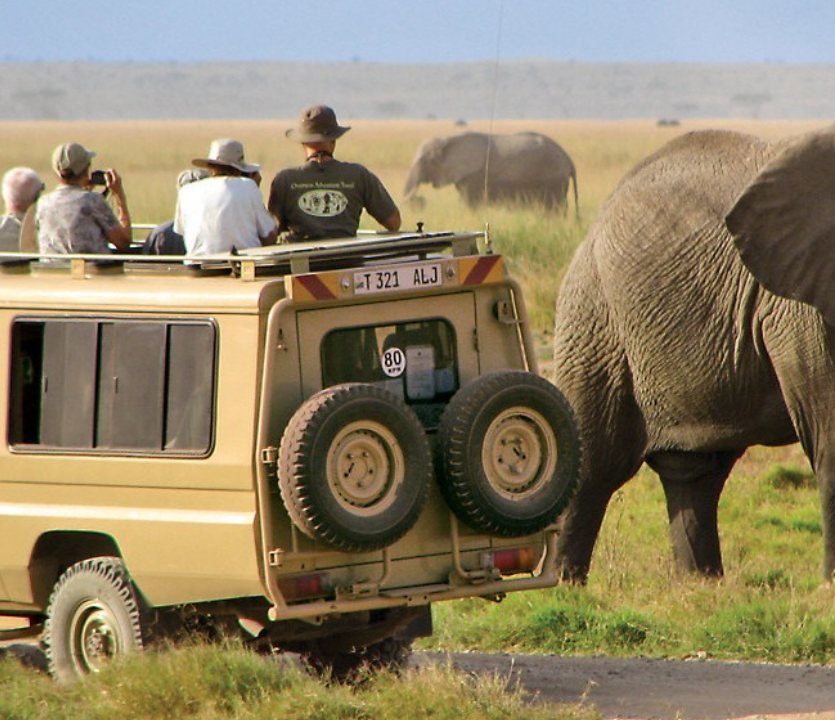
Game drives inside the crater (usually half-day trips)
-
Cultural visits to Maasai villages
-
Hiking along the crater rim (with a guide)
-
Visits to Olduvai Gorge and museum
-
Photography – the crater’s light and scenery are exceptional
Note: Off-road driving and night safaris are not permitted inside the crater for conservation reasons.
Accommodation Options
Most accommodations are found on the crater rim or within the conservation area. Options include:
Luxury Lodges
-
Ngorongoro Crater Lodge (by &Beyond)
-
The Highlands (Asilia Africa)
-
Lemala Ngorongoro Camp
Mid-range
-
Ngorongoro Serena Safari Lodge
-
Rhino Lodge
Budget
-
Public campsites with basic amenities for adventurous travelers
Staying near the rim allows early access into the crater for morning game drives.
Conservation and Management
The Ngorongoro Conservation Area Authority (NCAA) manages the area under a unique multiple-use model. The park's dual role in wildlife protection and human development is a delicate balance but serves as a global model for community-based conservation.
Challenges include:
-
Human-wildlife conflict
-
Over-tourism
-
Habitat degradation due to livestock grazing
Ongoing research and tourism revenue support both ecological and cultural sustainability.
Why Visit Ngorongoro Crater?
-
See the Big Five in one location
-
High chance of spotting endangered black rhinos
-
Stunning panoramic views from the crater rim
-
Cultural encounters with the Maasai
-
Historical depth with nearby Olduvai Gorge
The Ngorongoro Crater delivers one of the most concentrated, scenic, and accessible safari experiences in all of Africa. Whether you're on your first safari or a seasoned traveler, a visit here is unforgettable.