Ruaha National Park is one of Tanzania’s most spectacular and lesser-known national parks, offering an unparalleled safari experience for nature enthusiasts and adventure seekers. Located in the heart of the country, this remote park is part of the southern safari circuit and is famed for its rugged landscapes, massive baobab trees, and diverse wildlife population.
Location and Accessibility
Ruaha National Park lies in central Tanzania, roughly 130 kilometers west of Iringa. It is part of the larger Rungwa-Kizigo-Muhesi ecosystem, which spans over 45,000 square kilometers. The park itself covers an area of about 20,226 square kilometers, making it the largest national park in Tanzania and one of the biggest in East Africa.
Getting to Ruaha is possible via road or air:
-
By air: Daily flights from Dar es Salaam, Arusha, or Zanzibar to the park’s airstrips (Msembe and Jongomero).
-
By road: A long drive from Iringa, taking approximately 4-5 hours depending on road conditions.
History and Background
Ruaha was initially designated as a game reserve in 1910 by the German colonial administration and later declared a national park in 1964. The park is named after the Great Ruaha River, which forms its southeastern boundary and serves as a lifeline for its flora and fauna.
Landscape and Ecosystem
Ruaha's topography is a blend of rolling hills, open plains, rocky outcrops, and riverine forests. Dominated by baobab-studded savannah, the park’s semi-arid climate creates a dramatic landscape with seasonal rivers and dense vegetation in some areas.
The Great Ruaha River, along with smaller rivers like the Mwagusi, Jongomero, and Mzombe, attracts large numbers of wildlife during the dry season, creating some of the best game-viewing opportunities in Africa.
Wildlife
Ruaha boasts an incredible diversity of wildlife, including some of Africa’s most iconic species. It is home to over:
-
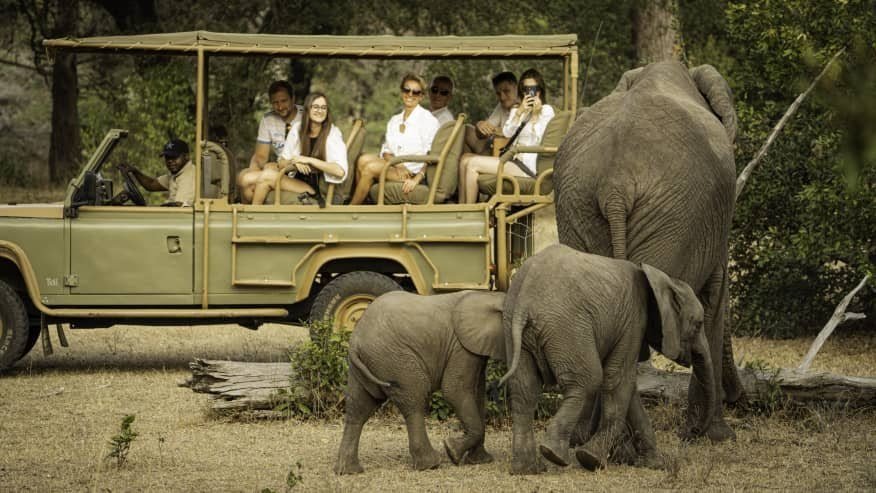
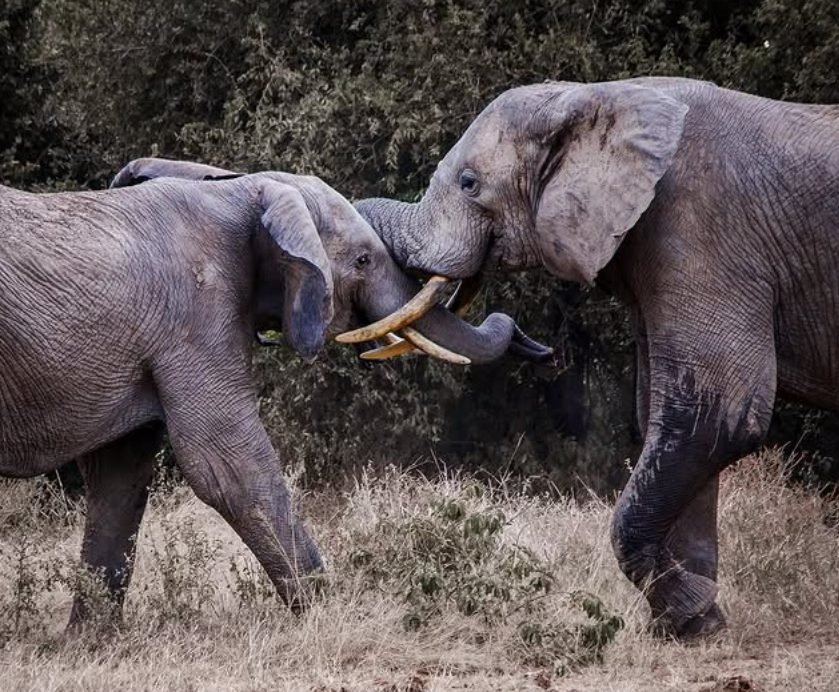
10,000 elephants – one of the largest populations in East Africa.
-
Pride of lions – some of the largest and most visible in Africa.
-
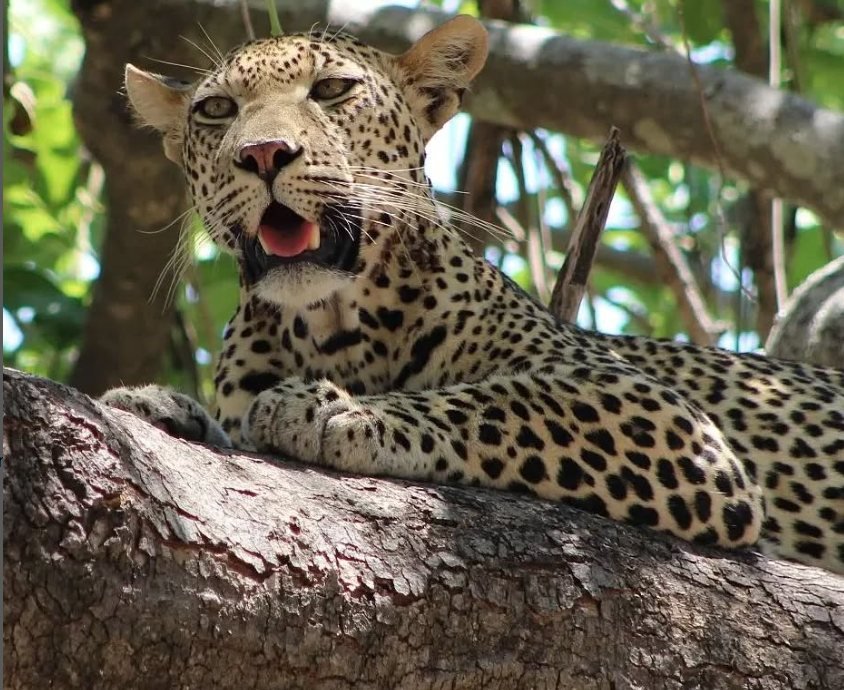
Leopards, cheetahs, and hyenas – offering big cat enthusiasts thrilling sightings.
-
African wild dogs – Ruaha is one of the few places in Tanzania where they are regularly seen.
-
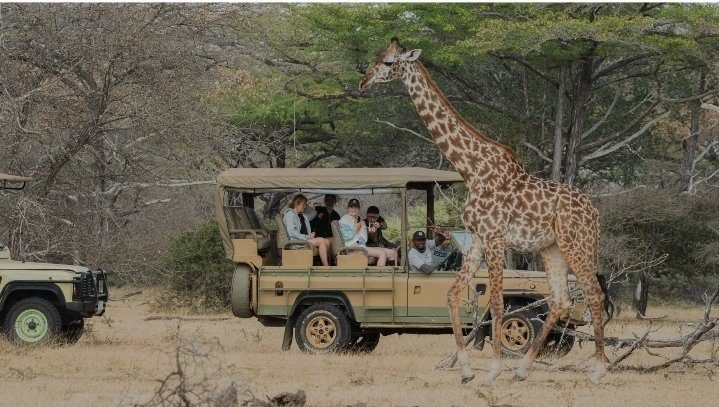
Greater and lesser kudus, roan and sable antelopes, along with impalas, zebras, giraffes, and buffalo.
The birdlife is also exceptional, with over 570 species recorded, including migratory and endemic birds. Ruaha is a paradise for bird watchers, particularly during the green season when the landscape comes alive with color.
Best Time to Visit
The best time to visit Ruaha depends on the type of experience you're looking for:
-
Dry Season (June to October): Ideal for game viewing as animals congregate around water sources. Visibility is high, and the weather is dry.
-
Green Season (November to April): A great time for birdwatching and enjoying the lush landscapes, though wildlife may be harder to spot due to dense vegetation.
Note: Some lodges may close during the heavy rains of March to May.
Accommodation
Ruaha offers a range of accommodations to suit different budgets, including:
-
Luxury lodges: such as Jabali Ridge, Ikuka Safari Camp, and Jongomero Camp.
-
Mid-range options: like Ruaha River Lodge and Mdonya Old River Camp.
-
Budget and camping: Basic campsites are available within the park.
Most lodges offer guided game drives, walking safaris, and cultural experiences with local communities.
Conservation and Challenges
While Ruaha is relatively untouched and less crowded than parks in the northern circuit like Serengeti and Ngorongoro, it faces several conservation challenges:
-
Human-wildlife conflict due to nearby pastoralist communities.
-
Poaching, especially of elephants, though this has declined in recent years.
-
Climate change affecting water availability and ecosystem balance.
Conservation organizations and the Tanzania National Parks Authority (TANAPA) are actively working on initiatives involving local communities to promote sustainable tourism and wildlife protection.
Unique Safari Experience
What sets Ruaha apart from other parks is its remoteness, exclusivity, and wild atmosphere. Unlike the busier parks up north, here you can go on a full-day game drive without seeing another vehicle. The raw and untouched nature of the park offers a truly authentic safari experience.
Conclusion
Ruaha National Park is a treasure trove of wildlife, dramatic landscapes, and serene wilderness. For travelers seeking to escape the crowds and explore one of Africa’s best-kept safari secrets, Ruaha offers an unforgettable adventure. Whether you're a first-time visitor to Tanzania or a seasoned safari-goer, Ruaha’s blend of biodiversity and solitude makes it a must-visit destination.