Tarangire National Park is a stunning and often underappreciated gem within Tanzania's northern safari circuit. Known for its massive elephant herds, majestic baobab trees, and scenic landscape dotted with seasonal swamps and rivers, Tarangire offers a quieter yet incredibly rich safari experience compared to its more famous neighbors like Serengeti and Ngorongoro.
Location and Size
Tarangire National Park is located about 118 kilometers southwest of Arusha, making it a convenient stop for visitors en route to Serengeti or Ngorongoro. The park covers approximately 2,850 square kilometers, making it the sixth-largest national park in Tanzania.
The park is easily accessible:
-
By road: A 2 to 3-hour drive from Arusha
-
By air: Chartered flights land at Kuro Airstrip within the park
History and Establishment
Tarangire was declared a National Park in 1970, after initially being part of a larger conservation area. It is named after the Tarangire River, the park’s lifeline, which flows through its center and sustains its rich biodiversity during the dry season.
Unique Landscape and Ecosystem
Tarangire’s ecosystem is diverse and dynamic. Its landscape includes:
-
Open grasslands
-
Thick acacia woodlands
-
Ancient baobab trees (some believed to be over 1,000 years old)
-
Swamps and seasonal floodplains
The Tarangire River draws large numbers of animals during the dry season (June–October), making it a prime game-viewing area.
Wildlife in Tarangire
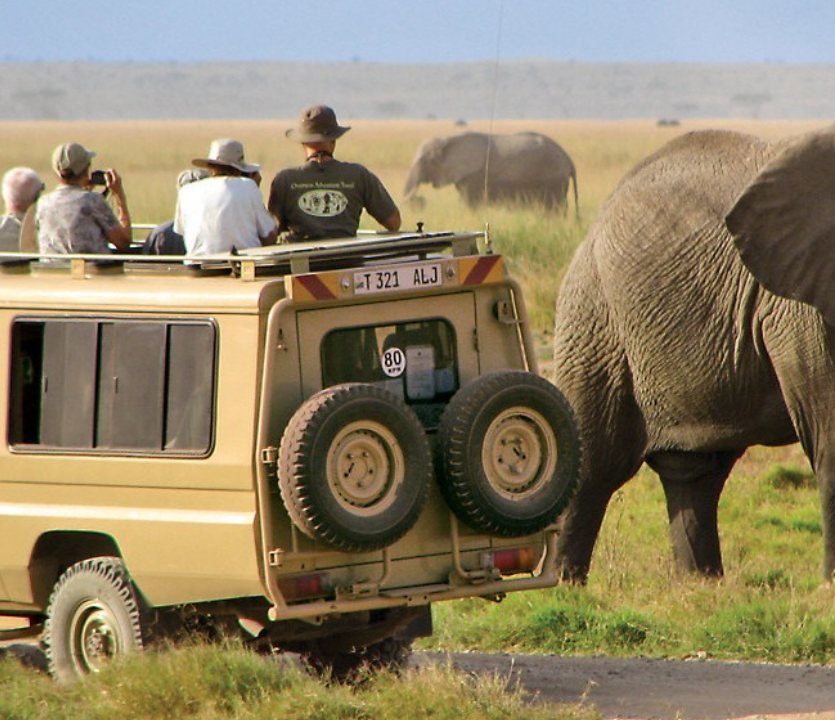
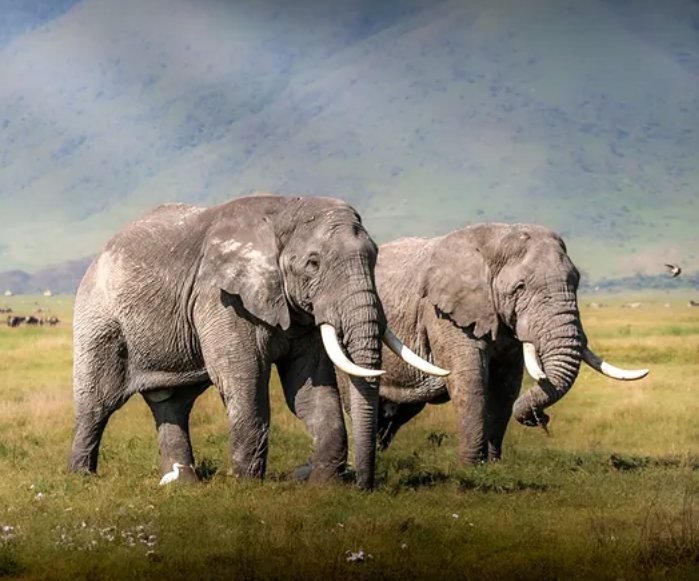
Tarangire is best known for its elephants, hosting one of the largest populations in northern Tanzania. Herds of up to 300 elephants can be seen during peak dry months.
Other notable wildlife includes:
-
Lions, leopards, cheetahs, and hyenas
-
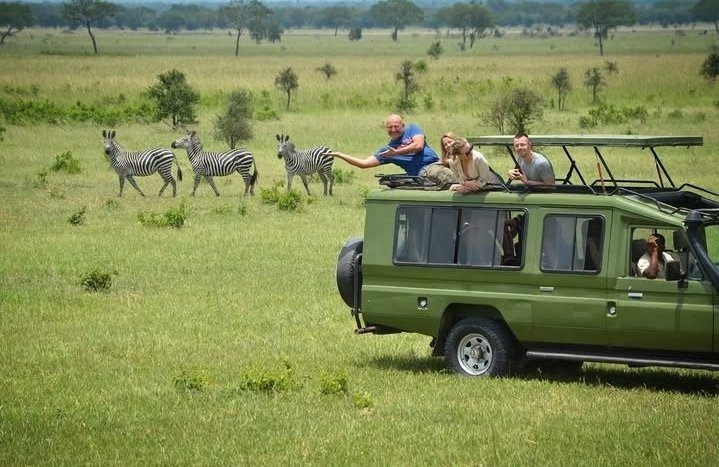
Buffaloes, giraffes, zebras, wildebeest, impalas
-
Rare species: fringed-eared oryx, greater kudu, and African wild dogs
The park is also a birdwatcher's paradise, with over 500 species recorded, including:
-
Yellow-collared lovebirds
-
Kori bustards (world’s heaviest flying bird)
-
Lilac-breasted rollers
-
Numerous migratory and endemic species
Best Time to Visit
Tarangire is a year-round destination, but game viewing is best during:
-
Dry Season (June to October): Animals concentrate around the Tarangire River.
-
Green Season (November to May): Lush scenery and excellent birding, but wildlife disperses and may be harder to spot.
The park is less crowded than Serengeti or Ngorongoro, making it ideal for visitors seeking a more intimate safari experience.
Activities in Tarangire National Park
-
Game drives (day and night in some private areas)
-
Walking safaris (led by armed guides, available in concession areas)
-
Birdwatching
-
Cultural visits to nearby Maasai or Barabaig villages
-
Photography — particularly during the dry season when elephant gatherings occur
Accommodation Options
Tarangire offers various accommodations catering to all budgets:
-
Luxury Lodges: Tarangire Treetops, Elewana Tarangire Safari Lodge
-
Mid-range Camps: Tarangire Simba Lodge, Sangaiwe Tented Lodge
-
Budget options: Campsites and basic lodges around the park’s border
Many lodges offer panoramic views of the river valley and conduct sundowners and night drives for a more immersive experience.
Conservation and Community Involvement
Tarangire is part of the greater Tarangire ecosystem, which includes wildlife corridors and community-managed conservation areas. Key conservation efforts involve:
-
Anti-poaching programs
-
Wildlife research (especially elephants and big cats)
-
Community engagement and ecotourism initiatives
These efforts help sustain both the park’s wildlife and the livelihoods of local communities.
Why Visit Tarangire National Park?
-
Unmatched elephant encounters
-
Beautiful baobab-studded landscapes
-
Excellent birdwatching opportunities
-
Authentic, uncrowded safari experience
-
Diverse wildlife, including rare species
Whether you’re a first-time visitor to Tanzania or a seasoned safari-goer, Tarangire offers a tranquil, picturesque, and wildlife-rich experience that perfectly complements the more famous parks in the northern circuit.